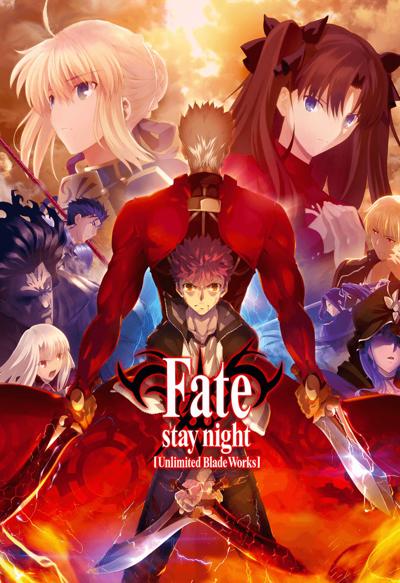
Short Story-My thank you letter to Anime

by Setsuna

After all this time, when i come back and look at where i am today, I’m in debt to Anime and so I think it’s appropriate to say my thanks to you.

Anime, I want to thank you for introducing me to two of my best friends, back when I was friendless because I had nothing to connect with others, you were the medium that finally broke the social barrier for me. When I was in 4th grade, I still remember mindlessly sketching an anime character when a voice came to me and said: “is that Naruto” … at first, I froze as the anxiety took over, but as soon as my brain could process the word “Naruto” everything just fell into the right place. My first friendship, a time I can look back fondly. However, that was short-lived as in 10th grade, I made a decision to go to a different school so basically, I had to start making friends all over again, and it was still a nightmare for me. However, anime, you came through for me again, thanked to you, I met another good friend. Things started off on the wrong foot however as we fought whenever we met, but we started to talk to each other more over our mutual love for anime. Through you, we were able to build a lasting friendship, it is one of the few things I truly love about high school. We hung out together, studied together and even got into trouble together. All of that could not be possible without you.

Anime, my 2nd thank to you is that you taught me how to live, not only did you gave me a way to make friends but you also taught me some valuable life lessons, some I still take to heart to this day. The biggest lesson I’ve learnt from you was getting up after falling down. There were many times in my life that I was so close to giving up, but you pulled me back. Some people may think it’s weird to have fictional characters as role models, but it was those characters that taught me more lesson than anyone could. You’ve played a large part in shaping me into the way I am now and for that I’m grateful. That leads me to my 3rd thank to you is that you’ve always been there for me. Through all the ups and downs in my life, you have always stay by my side. I still remember watching anime when I was upset or bored, you were there to cheer my up and give me energy to move on. Or when I feel so exhausted and worn out, you once again there, just a silly joke from an anime scene that I’ve re-watched for the 12 times was enough to temporarily lift the weight of my responsibilities and give me motivation continues with the tasks.

In my closing thoughts, I’d like to once again express my gratitude to you, without you I wouldn’t be the person that I am today. Even through everything, if I could choose to do it again, I wouldn’t have changed anything.
Digital Storytelling: Announcement

by Setsuna

What is Digital Storytelling?

Digital storytelling is way of telling story that combines traditional storytelling with digital multimedia elements such as images, audio and video. Thank to this combinations of media, the viewers can get a better picture of the story being told and can have a longer impression with it.

What can it do?

Digital storytelling is a powerful tool in education. For teachers, a good digital story can capture the interest of students in the topic. It can also aid teachers in breaking down abstract concepts and introduce new ideas which help spark discussion in students. For students, digital story can gather interest in students and let them express their creative talent. Additionally, digital storytelling allows students to share their creation to people, thereby improving themselves through constructive critiques.

So let’s begin!

It is because of these reasons that I wanted to get into digital storytelling. I recently made a video documentary

I recently made a video documentary about how anime can influence a person’s life (you can watch it here)

After interviewing many people who share my interest in anime and listen to their perspectives I found myself revisiting the path that led me to this unconventional media in the first place. So I wanted to tell a personal story regarding how my life has been intertwined with anime and how it changed it ever since. This story will be an introspective of myself. Through it I hope I can show you how much anime mean to me as a person or at least entertain you enough so that you may get into it yourself.

Mini-documentary

by Setsuna

Some information about the mini-documentary

Anime is a style of animation that originated from Japan more than a century ago but really took shape in the 70s and 80s. With its colorful graphics and a variety of genres to choose from, it soon attracts a large audience both domestic and international alike. Anime became a sensation all over the world, and thank to the improvement in quality and new content, the demand for anime is higher than ever. But do anime have more to offer than just entertainment values, I hope to find out the answer this question.

In order to answer that question, I interviewed my friends who are fans of anime to find out what they think about it. These were the questions asked in the interview:

  • Do you know about anime?
  • What is your honest opinion about anime?
  • Can you name your favorite anime? What are the reasons you like it so much?
  • If you could be an anime character, who will you be? Why?
  • Which character do you relate to most? Why?
  • How has anime affected your life?

Through this i was able to find out various answers ranging from interesting to hilarious. In this video, I have compiled the best answers to each question to hopefully give you an idea, enjoy.

The birth of Anime: From beginning to now.

by Setsuna

“I do believe in the power of story. I believe that stories have an important role to play in the formation of human beings, that they can stimulate, amaze and inspire their listeners.”

-Hayao Miyazaki

When people think of the word “Anime”, they usually associate it to as part of the modern culture, but in fact anime has been around for a long time, dating back to many decades, just not in the form the we are familiar with. At the most basic level, anime is a form of art, meaning it changes over time, constantly evolving into the stylings and features we’re familiar with today.

Let us rewind time to the moment where it all began

The beginning of anime (1907-1959)

This is the era that started it all and while it didn’t have much to offer, it paved the way for the generations to come.

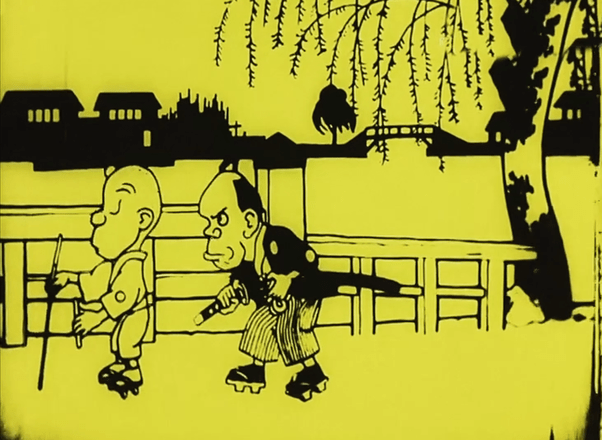
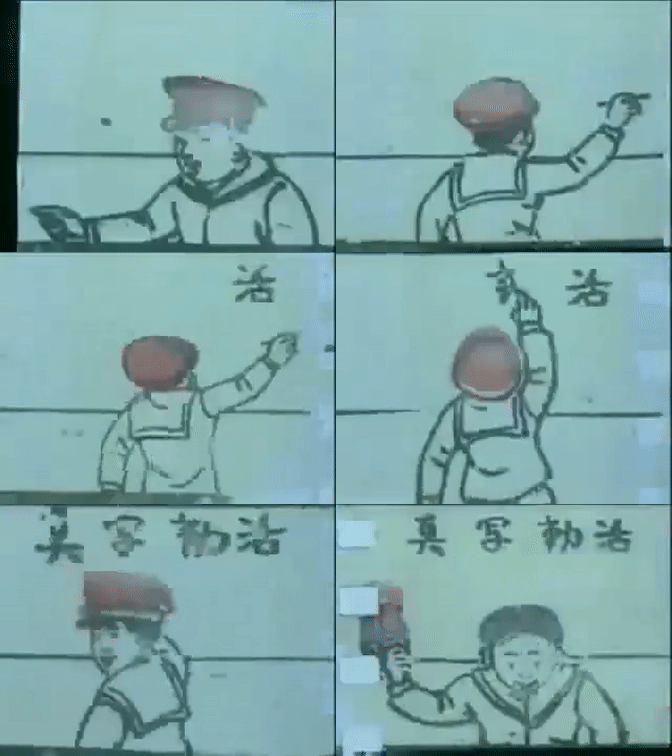
Anime in the early 1900s are short, silent, black and white animation pieces using primitive animating techniques like cutout. This made animation cheaper compare to cell animation that other countries used. However, Japan animations still faced heavy competition from the west, being overshadowed by Disney cartoons.

Despite tough competition in the early years, Japan animations found a small but sturdy foundation domestically up until 1923. The Great Kanton Earthquake had dealt a great blow to the industry and set them back for a few years.

After the earthquake, Japan animations was in the route to catch up with western cartoons, beginning with the implementation of cell animation techniques, which resulted in much better quality. Toward the end of this era, anime was used as propaganda for war and didn’t hold much artistic value. The highlight of this being the founding of Toei Animation in 1948, a giant that would introduce anime to the rest of the world.


The rise of Anime (the 60s and 70s)

Released at around the time of Astro boy, Tetsujin 28 go (or Gigantor in America) was one of the earliest series that kick-started the Mecha genre in following decades.

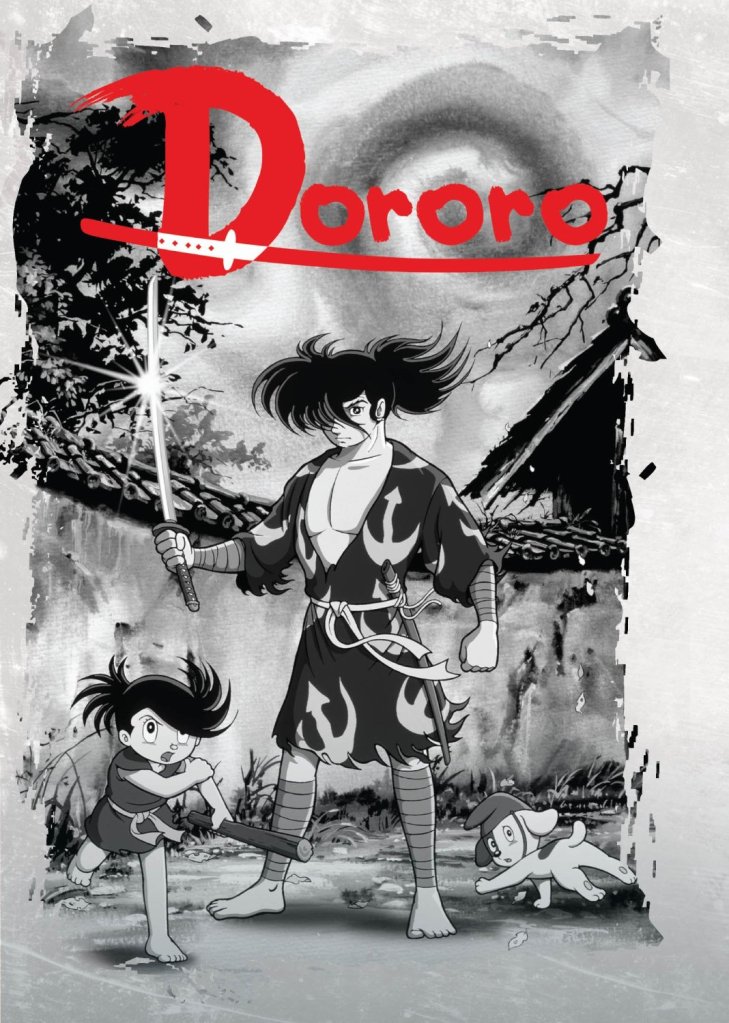
The year 1965 brought about the first colored anime, Kimba the White Lion. The show was well received, with art style that was reminiscent of Disney’s. the 60s ended strong with shows like Tiger Mask and Dororo.

The year 1972 marked the birth of 2 giants in the anime industry, Sunrise and Madhouse. These two studios rose from the ashes of Mushi Production and later went on to create some of the most influential anime of all times.

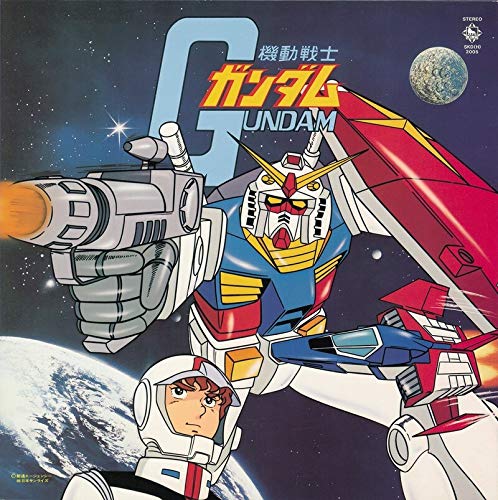
the mecha and space genre grew experientially in this decade, with shows like Mazinger Z (1972), Battleship Yamato (1974), and perhaps the most influential, Mobile Suit Gundam (1979). Gundam would soon become a popular franchise worldwide, bringing in massive revenue in both views and merchandises.


The Golden Age of Anime (the 80s)

This is arguably the most important era of anime for many ground breaking shows and open anime up to the world.

Urusei Yatsura in 1981 opened this decade of anime. The show’s blend of comedic moments and subtle pop culture references made it a hit worldwide.

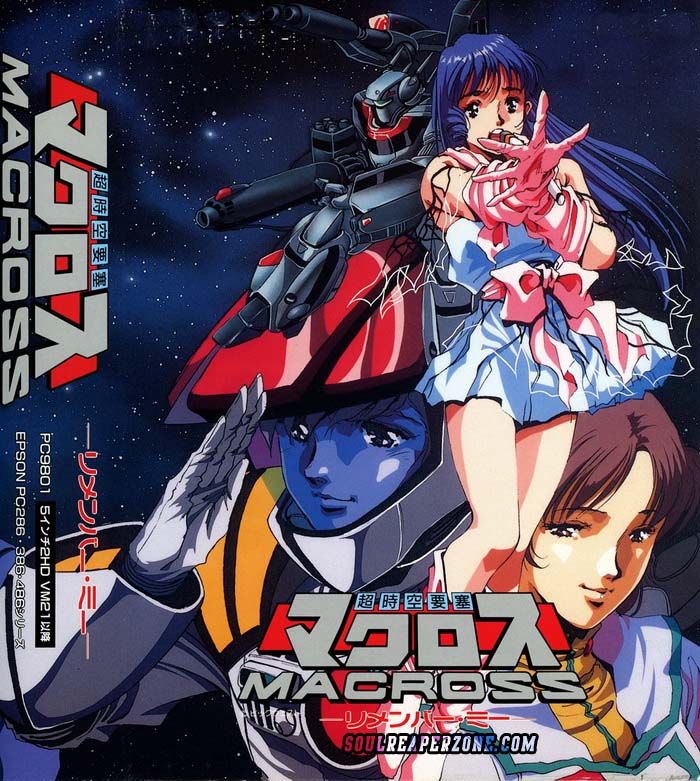
A successor of the mecha and space genre was the 1982 series Macross. At the time of its release, Macross was a success and still have a big following till this day. The show was also the first to blend the mecha genre with elements of romance, resulting in a space opera that spawned many sequels and spinoffs.

Over on the U.S. Macrosss was released under the title Robotech, combining 3 generations of Macross into one epic saga. This edit was well received by American audiences and opened western viewers to Japanese animated show, as evidence by the popularity of Transformers and G.I. Joe.

The show Captain Tsubasa in 1983 gave way to the sport genre, and was greatly appreciated by viewers worldwide.

Gainax studio was founded in 1984 and in the same year, Dragon Ball was released, thus marking the birth of a new genre, the martial art genre. It proved to be a profitable genre, with shows like Fist of the North Star (1984) to follow.

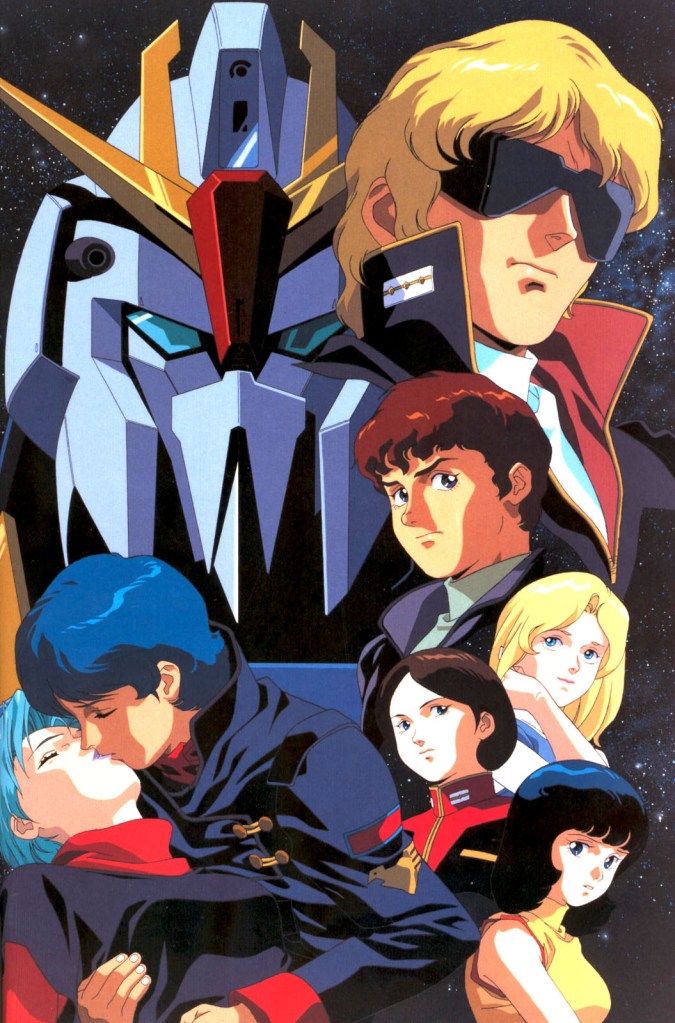
One year later, studio Ghibli was founded by Hayao Miyazaki. Mobile Suit Zeta Gundam was release in the same year and became the most successful mecha anime of its time.

The latter half of the decade was highlighted by the release of many high budget animated films, each one pushing the next to go bigger. The peak being Royal Space Force: The Wings of Honnêamise in 1987 and Akira in 1988. However, these two movies did not perform well in the box office, together with Japan’s declining economy toward the end of the 80s, means no one wanted to invest in high budget, experimental films. In the midst of many studio going bankrupt, only studio Ghibli was able to still make movies, with titles such as Grave of the Fireflies and My Neighbor Totoro both in 1988 to close off the decade.

Hello Spring Song, Goodbye Fate/Stay Night

by Setsuna

2020 marks the end for a hit anime series!

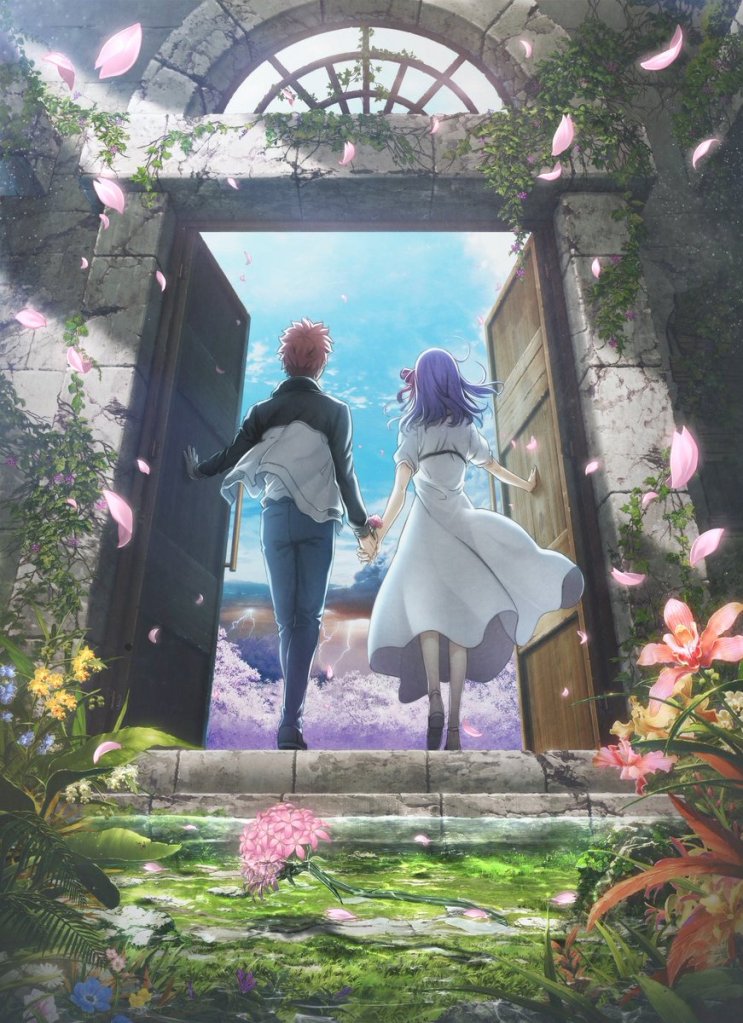
With the release of the anime movie Fate/Stay Night Heaven’s Feel III. Spring Song in March 2020, the hit anime series Fate/Stay Night will finally come to an end.

The Fate/Stay Night Heaven’s Feel film trilogy is based on the third route of the 2004 Fate/Stay Night visual novel by Kinoko Nasu. The films revolve around the life of Shirou Emiya as he is caught in the middle of a battle royale between wizards all the while trying to save the girl he loves.

Fate/Stay Night Heaven’s Feel III. Spring Song trailer

Much more just the spectacular fight scenes and epic musical scores that Fate is known for, Spring Song will be the finale of a heart-wrenching philosophical drama, packed to the brim with conflicting ideals and the dark side of human nature.

With the two previous installments, Fate/Stay Night Heaven’s Feel has brought in a collective box office of 38.8 million USD(1). The third movie is expected to do well upon its release on March 28th 2020.

Like the previous two film Fate/Stay Night Heaven’s Feel III. Spring Song is animated by studio UFOtable. The theme song chosen for the film is Haru wa Yuku/春はゆく, composed by Yuki Kajiura and performed by Aimer.

With this final installment, Spring Song will not only complete route of the original visual novel, but also bring an end to the Fate/Stay night anime adaptation as all route has been covered…Unless UFotable decides to make a Fate route remake.


(1) Fate/Stay Night Heaven’s Feel 1 & 2 box office information

https://www.boxofficemojo.com/release/rl2215216641/

https://www.boxofficemojo.com/release/rl3070658049/

Grave of the Fireflies: A reflection on war

by Setsuna

Grave of the Fireflies poster art.

Anime movie recaptured the lives of japanese after World War 2, revealing the devastating effects of war on the people behind the front line.

The 1988 animated film Grave of the Fireflies (火垂るの墓, Hotaru no Haka) by director Isao Takahata has shone light into the dark corner war by addressing the tragic fate of Japanese citizens after the Second World War.

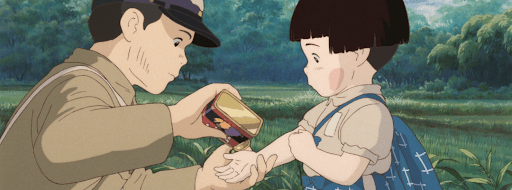
The film focuses on the lives of Seita, an average teenage boy and his younger sister Setsuko as they try and ultimately fail to survive in World War 2 era Japan.

Seita giving candies to his sister, Setsuko.

Although the movie centers around the pair of siblings, Grave of the Fireflies isn’t just about the struggle of Seita and Setsuko alone. Their story is only one in countless others, and the choice to focus on their story is hinted to be purely coincidental. And just like how there is no specific ‘hero’ role to focus on, the source leading to the tragic ends of Seita and Setsuko is not so clear cut. Many choices made by many people, including their own are responsible for it, as to show that everyone is complicit in creating this misery.

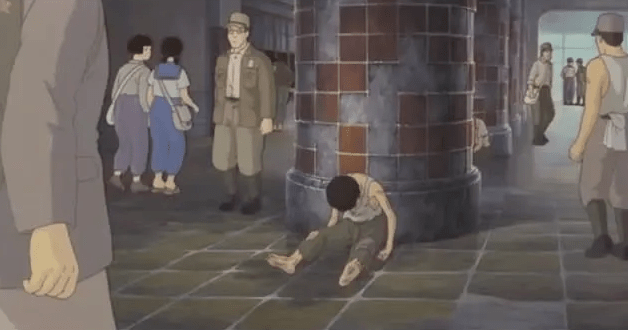
Seita’s death at the train station.

On the statistic side of thing, the movie received massive popularity upon its debut in Japan, bringing in a bow office of 1.7 million Yen and a further 516,962 Dollar in the US limited theatrical release in 2018 Studio Ghibli Fest.

Grave of the Fireflies also received positive scores by movie critics, earning an 8.5 on IMDb and 98% on Rotten Tomatoes.

Grave of the Fireflies is a sad and beautiful story about war and its repercussions on the citizens. It serves not only as a strong anti-war message but also invokes a sense of sympathy is us, encouraging us to help each other to create a better future.

From idea to reality: my journey of becoming an Ani-blogger

by Setsuna

My decision of becoming a blogger.

I guess I’ve never been motivated to write anything, as least seriously writing as I tend to draw more growing up. I’ve even made an entire short essay about it recently. However, as a random thought sparked in my brain in the tranquility of the night I backtracked myself on to why I wanted to be a blogger.

It was around early 2019 when I was scrolling through facebook and found my friend’s post about him starting a blog of his own voicing his problems and outlook on life. It helped me a lot because at the time, I was going through some insecurities and seeing that someone I know could deal with manage through rough times of their life with a smile motivated me to try harder in life. And after I pull myself though my own insecurities, an idea pop into my mind ‘maybe I could try to write a blog!’

Why anime though?

Of all the topic in the world, why anime? Well, that’s because anime is inseparable to me, I started watching anime at 8 years-old as a mean of entertainment, drawn in by the spectacular display of color and animation, but as time passes, so did my understanding about the world and, surprisingly, I found that anime mirrors many struggles in real life, albeit in some exaggerated means. From then on I started to look at anime in a different way, often being blown away by how even the wildest of concepts can have so many parallel with real life. What really sold the idea to me was a video called “The Illusion of Peace in Mamoru Oshii’s Patlabor 2” by Under The Scope(1). I was determine to do the same, and so here we are. I hope in the future everyone can see anime as something worth watching!

(1)Under The Scope’s video

Welcome to a world of Anime

by Setsuna

Who am I?

Hi, my name is Dien, and I’m die-hard Anime fan. Originally, I only watched Anime for entertainment but I soon found connection with this media and it grew into something more than just a mean to past the time. Thank to this fictional world of Anime and its characters, I’ve learned so much and became a tad bit more mature. So I hope Anime can do the same for many more people.

What I do on this Blog?

Whenever the subject of Anime is brought up to non-Anime viewers, it’s generally get mistaken for something that’s ONLY for kids. However, this is often not the case as you don’t need to be at a specific age to enjoy Anime and some Animes address some pretty heavy problems of society like war, depression, and sex.

And that’s why I’ve created this Blog, to hopefully change people’s minds about Anime by analyzing them for the hidden meanings within and maybe spark your interest in this wonderful culture. Please stay tune for more posts in the future.

Design a site like this with WordPress.com
Get started