by Setsuna
“I do believe in the power of story. I believe that stories have an important role to play in the formation of human beings, that they can stimulate, amaze and inspire their listeners.”
-Hayao Miyazaki
When people think of the word “Anime”, they usually associate it to as part of the modern culture, but in fact anime has been around for a long time, dating back to many decades, just not in the form the we are familiar with. At the most basic level, anime is a form of art, meaning it changes over time, constantly evolving into the stylings and features we’re familiar with today.
Let us rewind time to the moment where it all began
The beginning of anime (1907-1959)
This is the era that started it all and while it didn’t have much to offer, it paved the way for the generations to come.
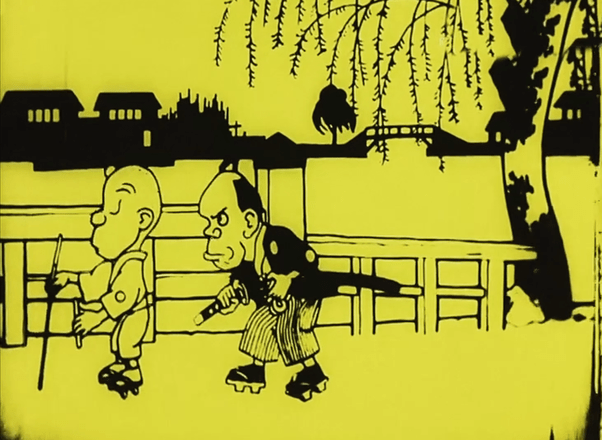
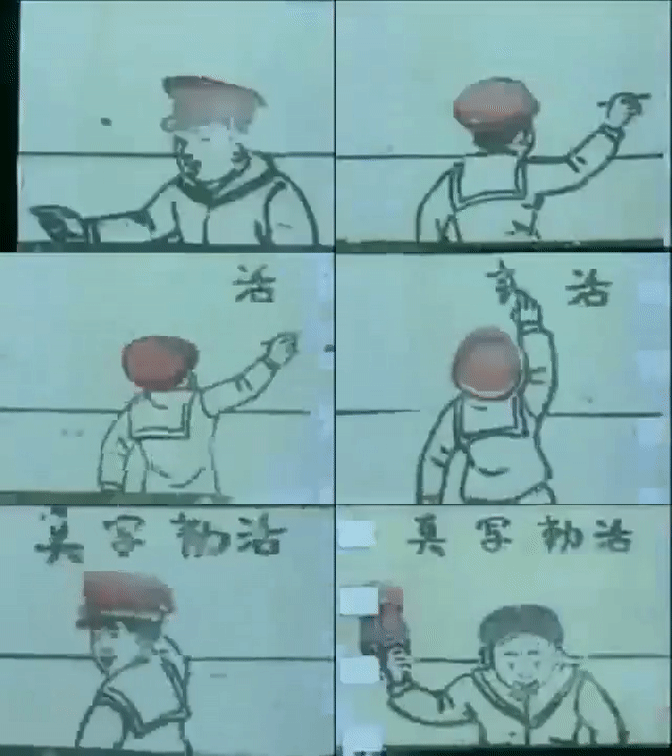
Anime in the early 1900s are short, silent, black and white animation pieces using primitive animating techniques like cutout. This made animation cheaper compare to cell animation that other countries used. However, Japan animations still faced heavy competition from the west, being overshadowed by Disney cartoons.
Despite tough competition in the early years, Japan animations found a small but sturdy foundation domestically up until 1923. The Great Kanton Earthquake had dealt a great blow to the industry and set them back for a few years.
After the earthquake, Japan animations was in the route to catch up with western cartoons, beginning with the implementation of cell animation techniques, which resulted in much better quality. Toward the end of this era, anime was used as propaganda for war and didn’t hold much artistic value. The highlight of this being the founding of Toei Animation in 1948, a giant that would introduce anime to the rest of the world.


The rise of Anime (the 60s and 70s)
Released at around the time of Astro boy, Tetsujin 28 go (or Gigantor in America) was one of the earliest series that kick-started the Mecha genre in following decades.
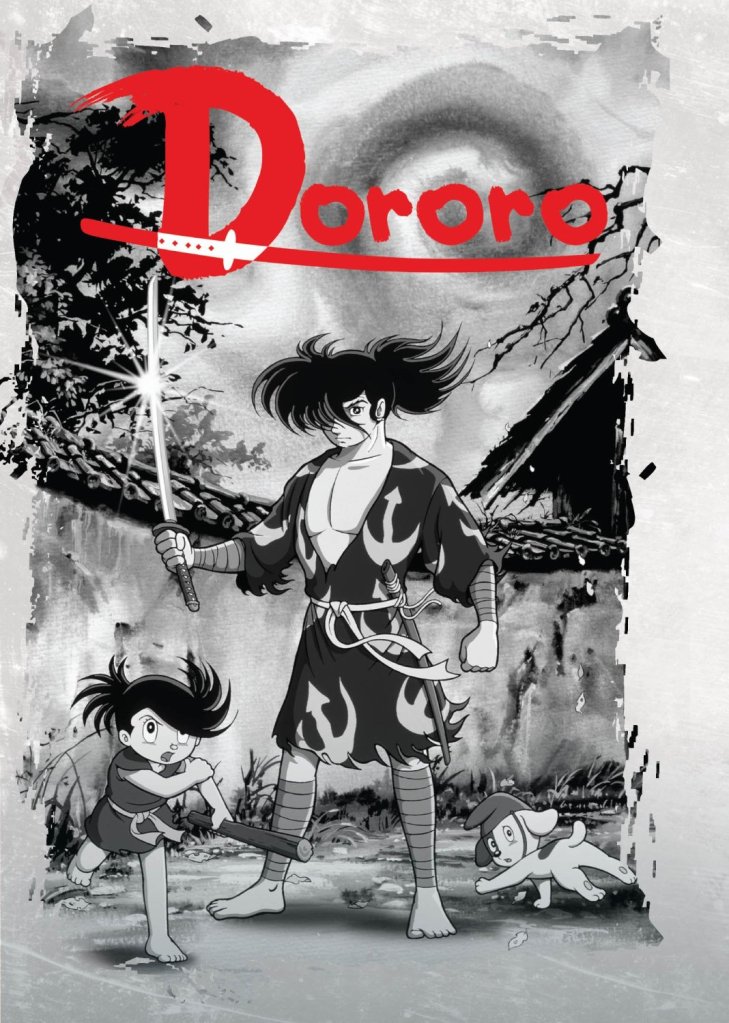
The year 1965 brought about the first colored anime, Kimba the White Lion. The show was well received, with art style that was reminiscent of Disney’s. the 60s ended strong with shows like Tiger Mask and Dororo.
The year 1972 marked the birth of 2 giants in the anime industry, Sunrise and Madhouse. These two studios rose from the ashes of Mushi Production and later went on to create some of the most influential anime of all times.
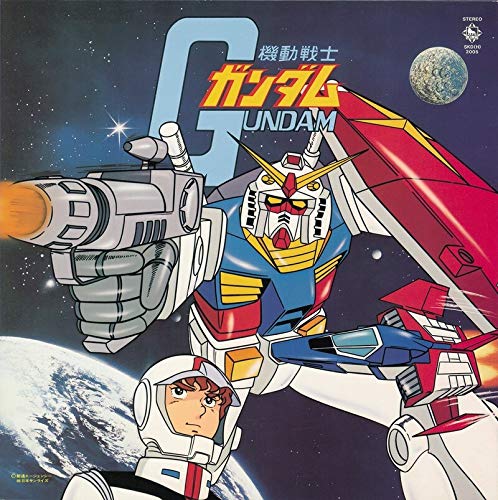
the mecha and space genre grew experientially in this decade, with shows like Mazinger Z (1972), Battleship Yamato (1974), and perhaps the most influential, Mobile Suit Gundam (1979). Gundam would soon become a popular franchise worldwide, bringing in massive revenue in both views and merchandises.
The Golden Age of Anime (the 80s)
This is arguably the most important era of anime for many ground breaking shows and open anime up to the world.
Urusei Yatsura in 1981 opened this decade of anime. The show’s blend of comedic moments and subtle pop culture references made it a hit worldwide.
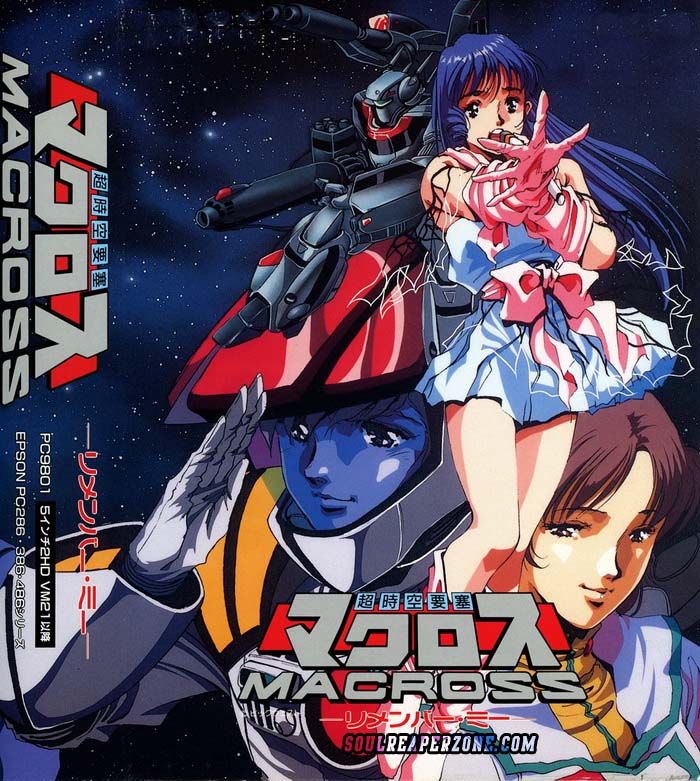
A successor of the mecha and space genre was the 1982 series Macross. At the time of its release, Macross was a success and still have a big following till this day. The show was also the first to blend the mecha genre with elements of romance, resulting in a space opera that spawned many sequels and spinoffs.
Over on the U.S. Macrosss was released under the title Robotech, combining 3 generations of Macross into one epic saga. This edit was well received by American audiences and opened western viewers to Japanese animated show, as evidence by the popularity of Transformers and G.I. Joe.
The show Captain Tsubasa in 1983 gave way to the sport genre, and was greatly appreciated by viewers worldwide.
Gainax studio was founded in 1984 and in the same year, Dragon Ball was released, thus marking the birth of a new genre, the martial art genre. It proved to be a profitable genre, with shows like Fist of the North Star (1984) to follow.
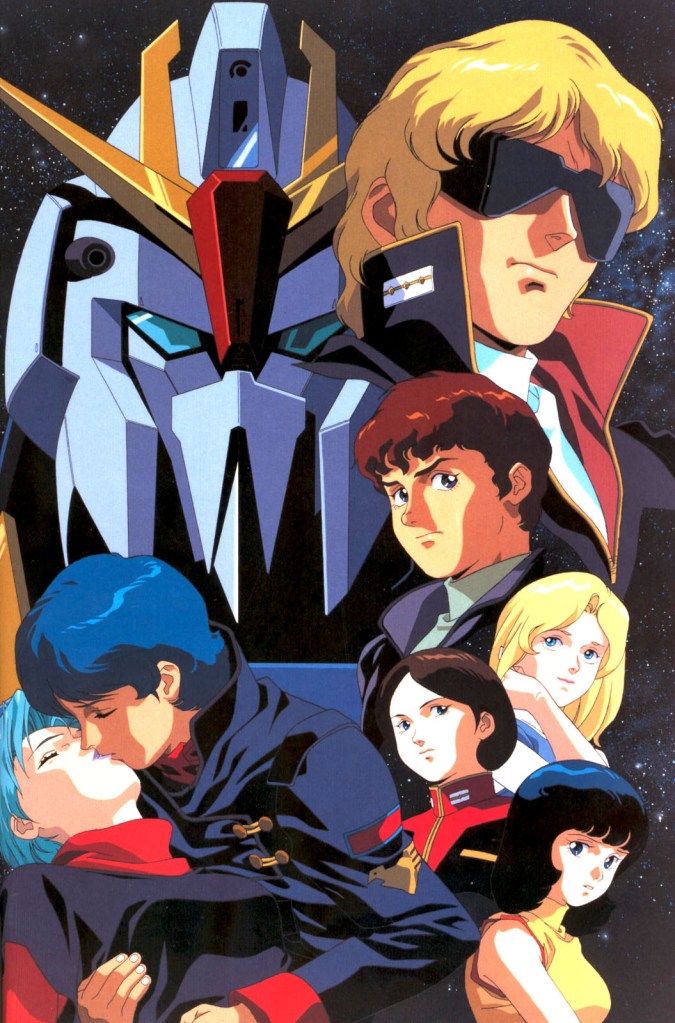
One year later, studio Ghibli was founded by Hayao Miyazaki. Mobile Suit Zeta Gundam was release in the same year and became the most successful mecha anime of its time.

The latter half of the decade was highlighted by the release of many high budget animated films, each one pushing the next to go bigger. The peak being Royal Space Force: The Wings of Honnêamise in 1987 and Akira in 1988. However, these two movies did not perform well in the box office, together with Japan’s declining economy toward the end of the 80s, means no one wanted to invest in high budget, experimental films. In the midst of many studio going bankrupt, only studio Ghibli was able to still make movies, with titles such as Grave of the Fireflies and My Neighbor Totoro both in 1988 to close off the decade.
 ANIME SKEPTIC